
1. Structural Shifts: The Premiumization of Delhi-NCR
A primary characteristic defining the contemporary Delhi real estate sector is the aggressive shift toward premiumization (Hazarika, 2026). property in delhi india
Data from early 2026 shows that housing sales across Delhi-NCR surged by 30% year-on-year, defying broader national slowing trends, with premium residential inventory priced above ₹1 crore dominating a staggering 71% of total market absorption (Hazarika, 2026).
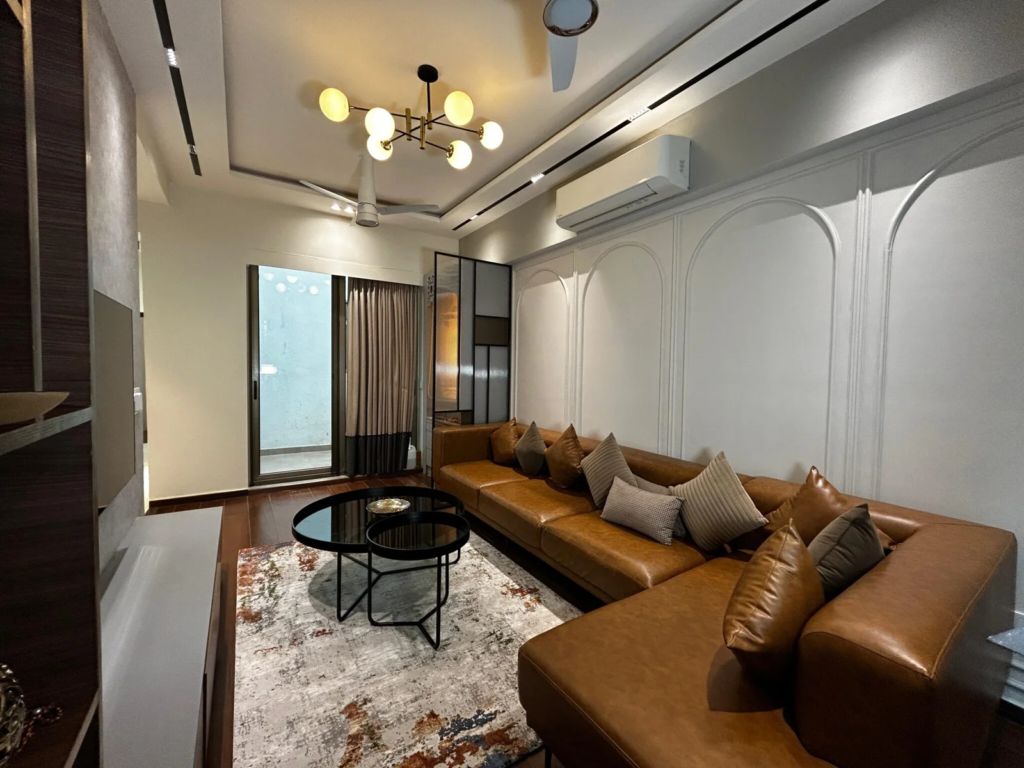
2. Micro-Market Dynamics and Property Types
South Delhi and the Independent Builder Floor Paradigm
Consequently, development has manifested primarily in the Ultra-Luxury Independent Builder Floor segment (Casa Consultancy Services, 2026).
Capital values in these micro-markets reflect intense scarcity constraints:
| Locality | MCD Category | Avg. Price Range (per sq. ft.) | Typical Configuration |
| Golf Links / Jor Bagh | Category A | ₹60,000 – ₹1,00,000+ | Luxury Bungalows / Independent Floors |
| Vasant Vihar | Category A | ₹40,000 – ₹55,000 | Ultra-Luxury Builder Floors (3BHK-5BHK) |
| Defence Colony | Category B | ₹35,000 – ₹45,000 | Modern 4BHK Builder Floors |
| Greater Kailash II | Category B | ₹30,000 – ₹38,000 | Premium Floors & Apartments |
| Saket | Category B/C | ₹22,000 – ₹30,000 | Gated Communities & Apartments |
Note: Ultra-luxury independent floors in the most exclusive Category-A pockets have seen single-unit transactional values scaling up to ₹55 crore, driven by high demand from institutional private equity funds, family offices, and foreign embassies seeking dollar-denominated rental yields (Casa Consultancy Services, 2026).
Peripheral Expansion: High-Rises and Expressways
Conversely, peripheral sectors such as Dwarka, along with extensions into neighboring Gurugram and Noida, are defined by high-density vertical growth (AIPL, 2026; Express Builders, 2026; Growmore Realtors, 2026).property in delhi india Micro-markets adjacent to mega-infrastructure projects—such as the operational Dwarka Expressway, Urban Extension Road-II (UER-II), and the Noida Expressway—have evolved into core destinations for institutional developer launches (AIPL, 2026; Cushman & Wakefield, 2026).
3. Infrastructure as the Primary Catalyst
In the modern Delhi real estate ecosystem, transit-oriented development is no longer merely a secondary advantage; it acts as the baseline determinant of capital appreciation (Express Builders, 2026; Magicbricks, 2026).
- Metro Rail Expansion: Phase IV expansions of the Delhi Metro continue to close the last-mile connectivity gap inside inner-city pockets (Casa Consultancy Services, 2026).
- High-Speed Corridors: Mega-roadways like the Dwarka Expressway have physically shrunken commute times between residential sectors and commercial job hubs like the Indira Gandhi International Airport and the Gurugram Central Business District (CBD) (AIPL, 2026; Magicbricks, 2026).
- Macro-Catalysts: Long-horizon multi-modal developments, including the Delhi–Meerut Regional Rapid Transit System (RRTS) and the upcoming Jewar International Airport, are structurally decentralizing the region (Express Builders, 2026; IJCRT, 2026; Magicbricks, 2026).
4. Strategic Tradeoffs and Market Challenges
The Density vs. Infrastructure Tradeoff
Homebuyers face a fundamental structural tradeoff between location exclusivity and modern community infrastructure (Casa Consultancy Services, 2026; Magicbricks, 2026).
Opting for an independent builder floor in Delhi’s urban core provides unparalleled status, central access, and land share ownership (Casa Consultancy Services, 2026).
Environmental and Regulatory Bottlenecks
Real estate development within Delhi-NCR operates under highly constrained regulatory and environmental environments (IJCRT, 2026):property in delhi india
- Environmental Strain and ESG Integration: Intense seasonal air pollution challenges have altered buyer criteria, elevating indoor air filtration and building ventilation into core marketing requirements (AIPL, 2026; Magicbricks, 2026). Projects meeting formal green-rating benchmarks successfully command a 5% to 15% price premium over non-certified buildings (Express Builders, 2026).
- Due Diligence Fractures: Due to historical systemic opacity in Delhi’s secondary market, structural risk mitigation requires strict verification (Casa Consultancy Services, 2026; HexaHome, n.d.). For independent redevelopments, the absence of an Occupancy Certificate (OC) issued by municipal authorities remains a critical hazard, legally blocking legitimate electricity and water grid connectivity (Casa Consultancy Services, 2026). Ensuring full compliance with the Real Estate Regulatory Authority (RERA) and validating multi-party collaboration agreements between plot owners and developers are mandatory hurdles to navigating the market successfully (Casa Consultancy Services, 2026; HexaHome, n.d.).