
Delhi, India’s bustling capital, has long been one of the country’s most coveted real estate destinations. Whether you’re a first-time homebuyer, a seasoned investor, or an NRI looking to plant roots in India’s heartland, property in Delhi offers a compelling mix of connectivity, culture, and long-term capital growth. If you’re navigating the Delhi real estate market in 2026, this comprehensive guide will walk you through everything you need to know.
Why Invest in Property in Delhi?
Delhi is more than a political capital — it’s an economic powerhouse. Home to millions of professionals, students, diplomats, and entrepreneurs, the city generates consistent demand for both residential and commercial real estate. The Delhi Metro network, one of the largest in Asia, connects the city’s key zones to the wider NCR region, making commuting seamless and real estate in well-connected localities particularly attractive.
From an investment standpoint, the numbers speak for themselves. Delhi-NCR recorded a remarkable 30% year-on-year surge in housing sales in Q1 2026, with 10,740 units sold — up sharply from 8,290 units in the same period last year. New project launches also jumped by 64% year-on-year, with over 13,600 units introduced to the market in just the first quarter. Property values in Delhi-NCR grew at 12–15% annually, leading price appreciation among all major Indian cities.
For rental investors, Delhi offers one of the highest gross rental yields in India at 5.81%, outperforming Mumbai (3.84%) and the national average of 5.09%. This makes Delhi a dual-benefit market — strong capital appreciation and reliable rental income.
Delhi Real Estate Market Overview 2026
After years of rapid price escalation that strained buyer budgets, the Delhi-NCR residential market is entering a phase of relative stability in 2026, according to the CBRE India Residential Market Outlook 2026. Incomes are finally catching up to property prices, improving affordability for middle-class and salaried buyers.
Premium areas can command anywhere from ₹30,000 to ₹65,000 per sq ft for plots and land, while mid-range residential localities typically range between ₹8,000 and ₹18,000 per sq ft. Residential property prices in well-connected zones continue to appreciate at 8–12% annually, while rental yields of 2–4% provide predictable passive income in established localities.
The luxury and premium segment has been the biggest growth driver, with demand for larger, better-equipped homes climbing sharply. Simultaneously, areas on Delhi’s periphery and developing micro-markets are gaining traction from buyers priced out of central zones.
Top Areas to Buy Property in Delhi
Choosing the right locality is the most critical decision in any real estate purchase. Here’s a look at Delhi’s most sought-after residential zones in 2026:
South Delhi — Premium Living, Enduring Value
South Delhi remains the most aspirational real estate address in the city. Localities such as Greater Kailash, Vasant Kunj, Saket, Defence Colony, and Hauz Khas attract premium buyers, expats, and high-net-worth individuals. These areas offer excellent social infrastructure — upscale malls, top hospitals, reputed schools, and metro connectivity — backed by limited supply that keeps values elevated. New Friends Colony is particularly popular among diplomats and business professionals for its strong rental demand.
Dwarka — Planned, Affordable, and Connected
Dwarka is consistently ranked among the best residential areas in Delhi for middle-class families. Its well-planned sectors, proximity to IGI Airport, metro connectivity, and access to Gurgaon make it a practical yet aspirational address. Properties here appeal to professionals, families, and long-term investors looking for steady appreciation and rental returns.
Rohini — North Delhi’s Organised Township
Rohini, one of DDA’s largest residential developments, is a self-sufficient township with wide roads, parks, metro access via Rithala and Rohini West stations, and abundant social amenities. Property prices range from ₹8,000 to ₹9,500 per sq ft in well-established sectors, with rental yields of around 3.6% — the highest among DDA sectors in Delhi. It’s an excellent choice for first-time buyers and investors seeking stable rental income.
Saket — Urban Comfort Meets Investment Potential
Saket blends residential comfort with commercial vibrancy, featuring prominent malls like Select Citywalk, hospitals, and seamless metro access. Its growing demand from working professionals and dual residential-commercial investment potential make it one of the top localities to watch in 2026.
Mayur Vihar — East Delhi’s Rising Star
Served by both the Blue and Pink Metro lines, Mayur Vihar offers an affordable entry point into East Delhi with strong connectivity to Noida and central areas. DDA flats and independent builder floors remain popular with mid-term investors and tenants alike.
Chattarpur — Emerging Investment Hotspot
Located near Gurgaon and Faridabad, Chattarpur is undergoing rapid development with upcoming metro extensions and road upgrades. It offers larger plots and farmhouse-style properties at lower costs than South Delhi — an ideal pick for buyers seeking bigger homes without premium price tags.
Types of Property Available in Delhi
Delhi’s real estate landscape caters to every budget and lifestyle:
- DDA Flats: Affordable, government-regulated housing across townships like Rohini, Dwarka, and Vasant Kunj. Ideal for first-time buyers and mid-income families.
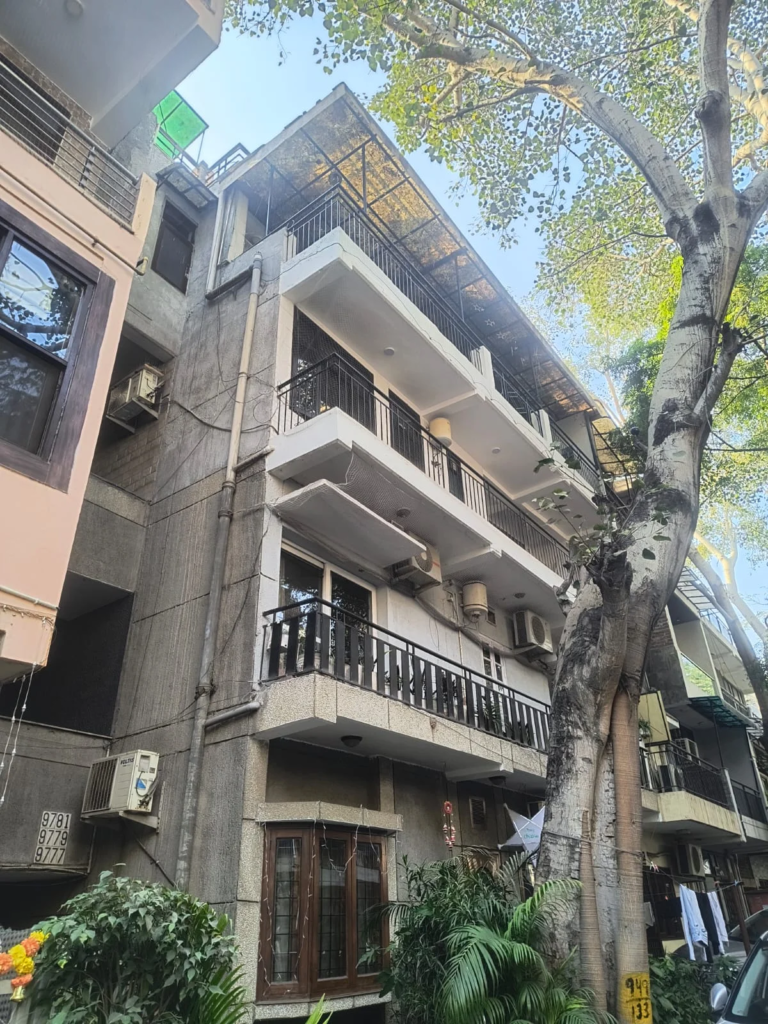
- Builder Floors: Independent floors within residential houses, popular in South Delhi and West Delhi for their privacy and flexibility.
- Apartments & Gated Societies: Modern high-rise projects with amenities like gyms, clubhouses, and security — available across Dwarka, Saket, Vasant Kunj, and newer corridors.
- Independent Houses & Villas: Common in South Delhi’s elite localities such as Lutyens’ Bungalow Zone, Shanti Niketan, and Vasant Vihar.
- Plots & Land: A long-term investment vehicle, with plot rates in premium areas ranging up to ₹65,000 per sq ft.
Key Factors Driving Property Prices in Delhi
Several factors shape property values across Delhi’s diverse micro-markets:
- Metro Connectivity: Properties near metro stations command a premium and enjoy faster appreciation and higher rental yields.
- Infrastructure Development: Road widening, flyovers, and DDA redevelopment projects directly uplift surrounding localities.
- Proximity to Employment Hubs: Areas close to Connaught Place, Barakhamba Road, ITO, and Gurgaon’s IT corridors attract steady rental demand.
- RERA Compliance: Delhi’s adoption of RERA regulations has increased transparency, reducing buyer risk and boosting confidence in new project launches.
- Demand-Supply Dynamics: Shrinking unsold inventory and limited new affordable launches are pushing prices upward, particularly in the mid-to-premium segment.
Tips for Buying Property in Delhi
Before signing on the dotted line, keep these practical tips in mind:
- Verify RERA registration of the project or builder to ensure legal protection.
- Check circle rates via the Delhi Online Registration Information System (DORIS) to understand stamp duty implications.
- Inspect DDA allotment and mutation records for resale DDA flats to avoid title disputes.
- Prioritise metro-adjacent localities if rental yield or resale value is a priority.
- Consider upcoming infrastructure — areas like Chattarpur and Narela are positioned for strong appreciation as new metro lines and roads are completed.
- Engage a RERA-registered broker for verified listings and legal due diligence.
Is 2026 a Good Time to Buy Property in Delhi?
For long-term buyers and investors, 2026 represents a strategic entry window. Prices have appreciated significantly over the past five years, but the current phase of relative stability — with incomes catching up — offers a more balanced buying environment than the sharp escalation years of 2021–2024.
Developing micro-markets like Chattarpur, Narela, and Dwarka Extension under the L-Zone offer future appreciation potential at accessible price points. Premium zones like Greater Kailash and Vasant Vihar continue to deliver long-term capital security backed by limited supply. For NRI investors in particular, analysts suggest 2026 may be precisely the right moment — after significant past growth but ahead of the next likely appreciation cycle driven by infrastructure completions in 2027–2028.